
The Distribution Is Not the Return.
The first number you will hear about any DST is the projected distribution rate. It is the least important number in the offering — and the way it gets used tells you a great deal about who is selling to you.
Walk into any conversation about a Delaware Statutory Trust and a number will arrive within the first two minutes. Sometimes it is written on a one-page summary next to a photograph of a distribution center. Sometimes it is spoken with a certain reverence. It is the projected annual distribution, expressed as a percentage of your invested equity, and it is doing an enormous amount of work in the sale — because it sounds like a return, it is designed to be compared against a bank CD, and it is neither of those things.
A distribution is cash the trust sends you. A return is what you actually earned on your money, measured from the day you wired it to the day the last dollar came back. In a DST, the gap between those two ideas is where the fees live, where the reserves live, and where the exit lives. Understanding the gap is the difference between investing and being sold to.
What the distribution is made of
Start with what feeds the number. A DST collects rent, pays operating expenses, pays debt service, pays the sponsor’s ongoing asset management and trust administration fees, and sends whatever remains to investors. Simple enough — except that the first-year distribution in almost every offering is projected before the property has done anything, and it is supported by two things that are not rent.
Reserves funded from your own money. A portion of the offering proceeds — the money you and other investors contributed — is set aside as a reserve. Reserves are prudent; a passive trust with no ability to raise capital needs a cushion. But reserves are also routinely used to fund distributions in the years when the property’s actual cash flow falls short of the projection. When that happens, the trust is sending you back your own capital and describing it as income. The offering documents will say this, in a paragraph you are unlikely to be walked through. Ask what share of projected distributions in years one through three is expected to come from operations versus reserves.
Master lease rent that may not reflect the property. Where a sponsor affiliate master-leases the property, the trust’s income is a contractual rent payment, not the building’s performance. That can make distributions look stable when the underlying asset is not. It also means the number you were quoted depends on the affiliate’s willingness and ability to keep paying — a subject we took up at length in the previous article in this series.
Reserves can fund a distribution for years. They cannot fund a return.
What the load does to your starting line
Now the part that nobody says out loud. When you invest a dollar of equity in a typical DST, materially less than a dollar goes into the real estate. The difference is the load: selling commissions paid to the broker-dealer and its representative, a dealer-manager fee, organization and offering expenses, an acquisition fee to the sponsor, and — the piece that hides best — the sponsor’s markup between what it paid for the property and the price at which it is contributed to the trust. Across the industry, the total of these front-end costs is commonly disclosed in the range of roughly eight to twelve percent of equity raised, and on some offerings more. Every program is different; the exact figure is in your private placement memorandum under a heading like “Estimated Use of Proceeds,” and it is the first page we read.
What that means is mechanical. If the all-in load on an offering is ten percent, then on the day you close, your beneficial interest is backed by roughly ninety cents of property value for every dollar you invested. The property has to appreciate by a meaningful amount just to return you to even — before any distribution, and before the sponsor’s disposition fee on the way out. A distribution rate quoted on your gross investment quietly ignores all of this. It is a yield on the dollar you sent, not on the ninety cents that went to work.
None of this makes the load illegitimate. Sponsors do real work sourcing and structuring assets; broker-dealers carry real regulatory cost. The problem is not that fees exist. The problem is a sales culture that quotes the distribution loudly and the load quietly, when the second number determines whether the first one means anything.
What the exit does to everything
The final piece of the gap is the exit, because a DST’s total return is not knowable until the property is sold — and the sale is not your decision. Three things happen at exit that the distribution rate never captured.
- The disposition fee. Most sponsors take a fee on the gross sale price, frequently in the low single digits, before proceeds are split. On a leveraged property, a fee on gross price is a much larger bite out of your equity than it looks.
- The market at the moment of sale. Because the trustee cannot hold indefinitely, cannot refinance, and cannot raise capital, the sale often happens when the loan matures — not when the market is good. The 2022–2024 rate shock was a live demonstration: programs with debt maturing into that window sold into it.
- The 721 conversion. In a growing share of programs, the “exit” is an absorption into the sponsor’s REIT at a NAV the sponsor’s process determines. Your distribution then depends on the REIT’s coverage — how much of what it pays out is funded by operating cash flow versus borrowing or new investor capital — which is a question with a checkable answer in the REIT’s public filings.
The number to ask for instead
If you take one thing from this piece, take this: stop asking what the distribution is and start asking what the total return has been. Every sponsor with completed programs can produce an investor-level internal rate of return — net of every fee, from first dollar in to last dollar out — for each DST it has taken full cycle. That figure, across all of its exits including the disappointing ones, is the sponsor’s real track record. A sponsor that cannot or will not produce it has told you something, and a sales representative who steers you back to the distribution rate has told you something too.
Before you compare any two DSTs, get answers to these six questions, in writing, from the offering documents:
- What is the total front-end load as a percentage of equity — selling commissions, dealer-manager fee, offering expenses, acquisition fee, and the sponsor’s markup on the property?
- What percentage of the projected distribution in each of the first three years is expected to come from property operations rather than reserves?
- If there is a master lease, what is the trust’s rent as a percentage of the property’s actual projected net operating income?
- What is the disposition fee, and is it calculated on gross sale price or on equity?
- For every program this sponsor has taken full cycle, what was the net, investor-level IRR — including the programs that underperformed?
- If the exit is a 721 conversion, what has the target REIT’s distribution coverage been over the past three years?
The fair reading
Distributions matter. For an investor who exchanged out of a building that demanded weekends and phone calls, a monthly deposit that arrives without either is a genuine part of the value, and it is fair to weigh it. Many DSTs deliver exactly what they projected. Our objection is not to the number. It is to the number standing alone — presented as the answer when it is one input, quoted on gross equity when the load has already reduced what is working for you, and offered as a substitute for the only figure that finally settles the question, which is what investors actually got back.
NOTE Fee ranges described are illustrative of ranges commonly disclosed across the securitized 1031 marketplace and vary materially by offering; the governing figures for any program are those in its private placement memorandum. This article reflects the opinions of Carmona Wealth and is provided for educational purposes only. No return, yield, or distribution is projected or guaranteed.
Ask us for the number that matters. We will walk you through the use-of-proceeds page, the reserve schedule, and the sponsor’s full-cycle history — line by line, before you invest. Call (818) 206-7550 or visit carmonawealth.com.
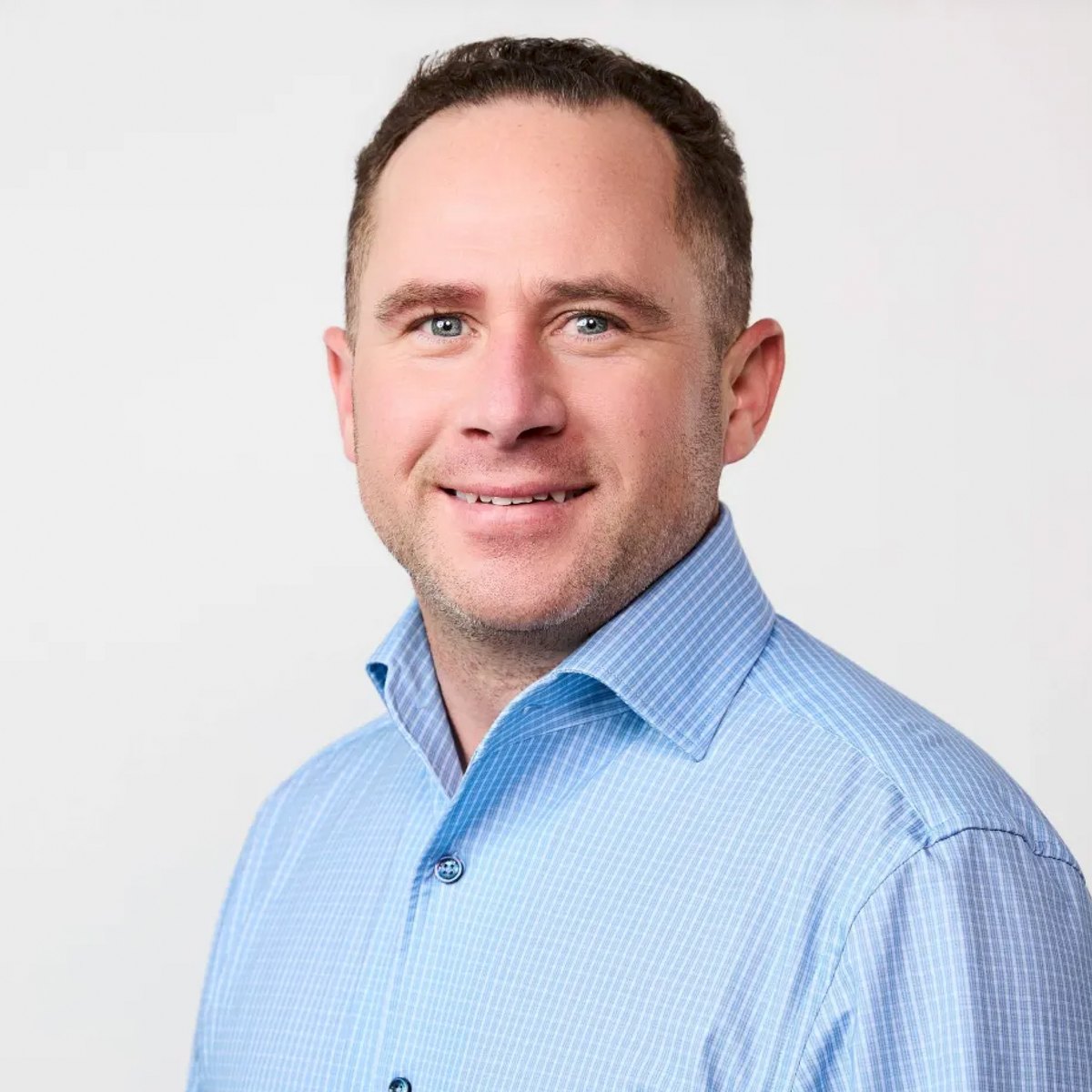
Ben Carmona is the President & CEO of Carmona Wealth. With more than 20 years of applied experience, Ben is an expert in 1031 exchanges, Delaware Statutory Trusts, real estate investments, structures, and strategies.… Full profile →
Talk It Through With Our Team
Private, no-obligation, and specific to your numbers — not a sales script.
Continue reading


Ready to Go Deeper?
Request access to the private investor portal to see current offerings, or schedule a consultation to map your options.