
Brilliant With Stocks. Guessing With Your Exchange.

America’s largest wealth management firms now offer 1031 exchange solutions. Their advisors are genuinely good at what they do. The problem is that this isn’t what they do.
Picture the moment. You’ve just accepted an offer on the apartment building you’ve owned for twenty-two years — $8 million, with roughly $5 million in deferred gain riding on what happens next. The 45-day identification clock starts at closing. So you call the person you’ve always called about money: the advisor who has managed your stock and bond portfolio, skillfully, for two decades. And somewhere in that conversation, you ask a question he has never been asked professionally: what should I do with the building?
What happens next matters enormously, because the honest answer — “this is outside my lane” — is rare. The more common answer is a confident pivot to whatever real estate solution his firm has approved for advisors to offer. In today’s market, that usually means a short menu of 721 UPREIT programs from a handful of the largest institutional sponsors.
The scale explains the appetite. DST sponsors raised roughly $8.41 billion in 2025 — a 49% jump over the prior year, according to Mountain Dell Consulting, which has tracked the securitized 1031 market since 2003 — and industry projections put 2026 fundraising in the $10–11 billion range. When a market grows that fast, every large firm wants a shelf in it. But growth is not the same thing as expertise, and a shelf is not the same thing as a practice.
The credential gap
Nothing about a traditional wealth management career prepares an advisor for a 1031 exchange. Licensing exams cover securities regulation, not depreciation recapture. Firm training covers asset allocation, not debt-replacement requirements, boot, master-lease structures, or how to read a DST’s sponsor-level fee stack. An advisor can be exceptional — genuinely exceptional — at portfolio construction and still be unable to explain the difference between a cap rate and a cash-on-cash return. These are different professions that happen to share a business card.
The shelf problem
The deeper issue is structural. Large firms manage risk by standardizing product menus, and DSTs are diligence-intensive — so most big platforms approve a narrow shelf, often limited to a few 721 UPREIT programs from mega-sponsors built to absorb billions. When your advisor presents “your options,” you are not seeing the 1031 marketplace. Industry directories track roughly 85 active DST and 1031 sponsors — from trillion-dollar global managers to specialist exchange shops — offering programs across asset classes, structures, and debt profiles at any given moment. A shelf of three or four programs is not that market. It is a sliver of it, selected for reasons that have more to do with distribution logistics than with your exchange.
12 Questions to Ask Before You Sign Any DST Subscription Agreement
Fees, sponsor risk, liquidity, exit terms — the questions every DST investor should ask anyone, including us.
The incentive problem
And the shelf is not neutral. A 721 UPREIT pathway ultimately converts your real estate into units of a perpetual fund — an elegant outcome for a firm whose business model is built on consolidating assets under management. That doesn’t make it wrong for you. It does mean the recommendation solves two problems at once, and only one of them is yours.
What a specialist looks like
Contrast that with what a 1031 specialist brings to the same conversation: access to the full sponsor marketplace rather than an approved shortlist; a transaction history measured in closed exchanges, not client tenure; a first meeting that starts with your property, your debt, and your timeline instead of a product; and a written presentation of the risks — sponsor risk, real estate risk, fee load, illiquidity — before anyone discusses benefits. It also means fee literacy. DST upfront loads commonly run 7–15% of invested equity, with acquisition fees, ongoing asset management, and disposition fees layered behind them — numbers an advisor should be able to itemize from the private placement memorandum without flinching.
Before you let anyone guide a six- or seven-figure tax event, ask five questions:
See current 1031 & DST offerings
Verified accredited investors can request access to our private investor portal to review institutionally vetted offerings.
None of this means a generalist advisor can’t serve you well — some do, usually by bringing in a specialist rather than improvising. The point is simpler: a 1031 exchange is a one-shot, deadline-driven tax event. The person guiding it should do this for a living. Ask the questions. A capable advisor won’t be offended. An unqualified one will be exposed — and better in that conference room than after closing.
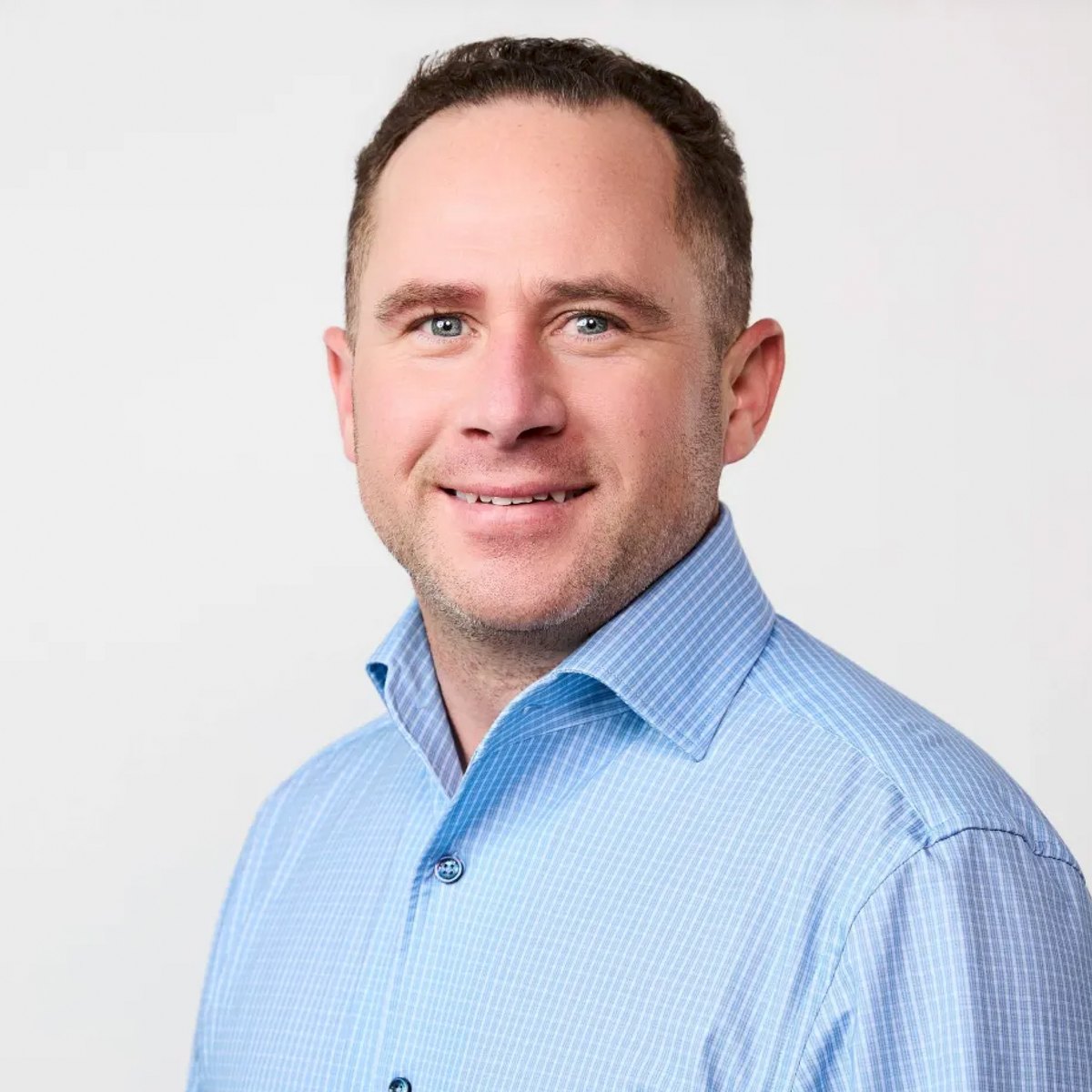
Ben Carmona is the President & CEO of Carmona Wealth. With more than 20 years of applied experience, Ben is an expert in 1031 exchanges, Delaware Statutory Trusts, real estate investments, structures, and strategies.… Full profile →
Talk It Through With Our Team
Private, no-obligation, and specific to your numbers — not a sales script.
Continue reading


Ready to Go Deeper?
Request access to the private investor portal to see current offerings, or schedule a consultation to map your options.